
Skip to content

Work

Aircraft, spacecraft, and small unmanned vehicles.

Paramount Dynamics is in Phoenix. We design the vehicle and the flight software together, because that's the only way the thing actually flies the way you meant it to.

People call us when they have a machine that has to move correctly: an aircraft, a spacecraft, a small VTOL that will spend its life in the field. We take the structure, the mechanisms, the sensors, and the code as one problem.

There isn't a product line. Programs come in looking different from each other. The three kinds of work below are how we spend our time.

Air

The airframe, and the intelligence that flies it.

Most of our week is spent on aircraft. The airframe, the surfaces, the actuators, and the flight software that has to live with all of that. We keep those conversations in the same room because they fall apart when they aren't.

The work has included combat aircraft and quieter programs that still have to meet an envelope. Weight, hinge moments, what happens when a surface binds, what the pilot or the autonomy stack sees when it does. None of that is exotic. It just has to be done carefully.

If you have an aircraft program, send the constraint and the envelope. We'll tell you whether it's something we should take.
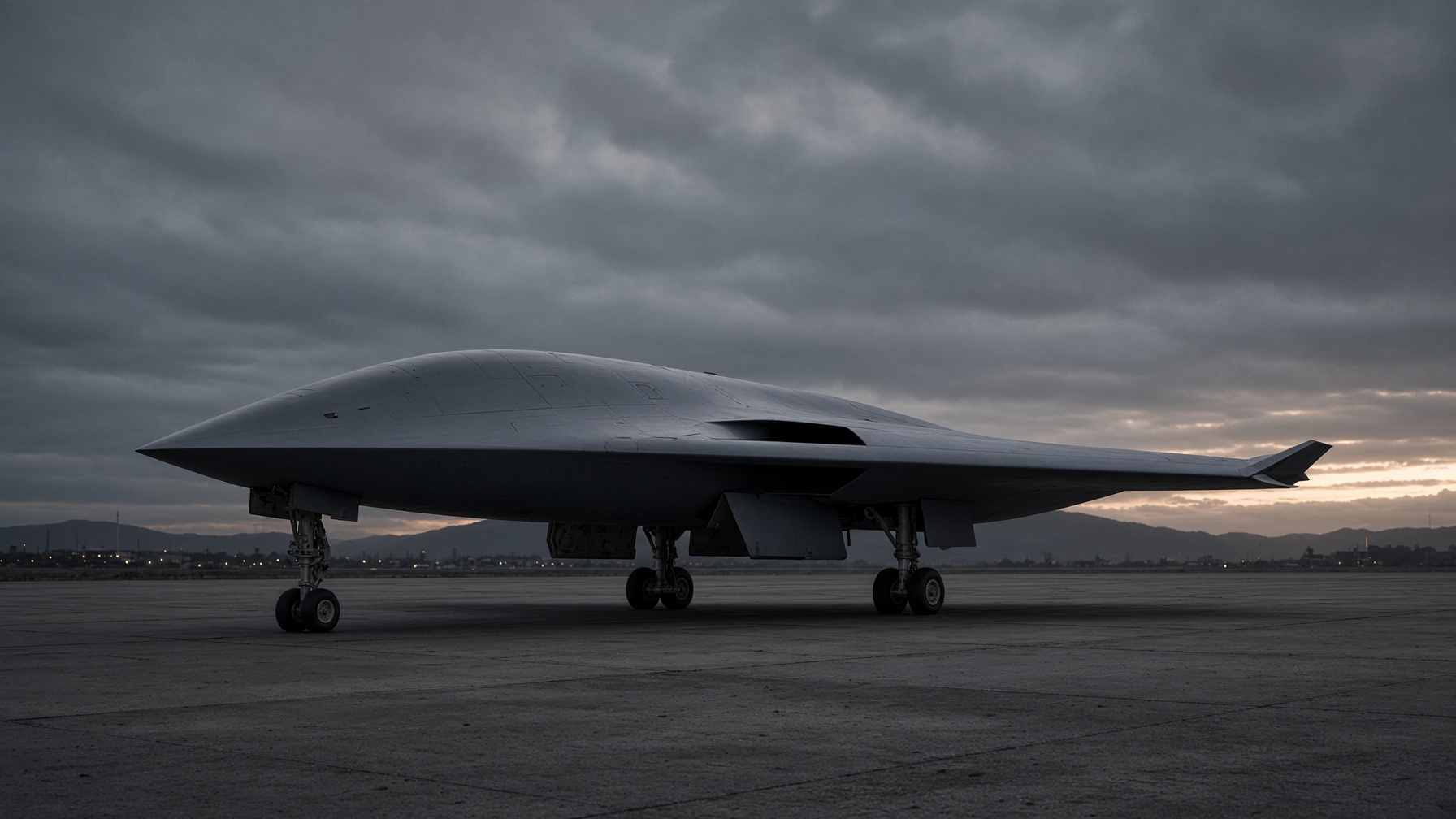
A combat aircraft on the ramp at dusk

Space

Earth, the Moon, and the path between them.

Orbit is unforgiving in a quiet way. You don't get to reach in and free a hinge. Mass is expensive. Heat has nowhere obvious to go. A mechanism either works when it's supposed to, or the mission doesn't.

We design spacecraft structures, gimbals, deployables, and the control around them. Analysis first, then hardware, then enough test that we're tired of looking at the same plot. Launch providers will ask for paperwork. That's part of the job.

Some of this flies. Some of it is the same discipline applied to vehicles that never leave the ground. We don't pretend those are the same problem, but the habits carry.

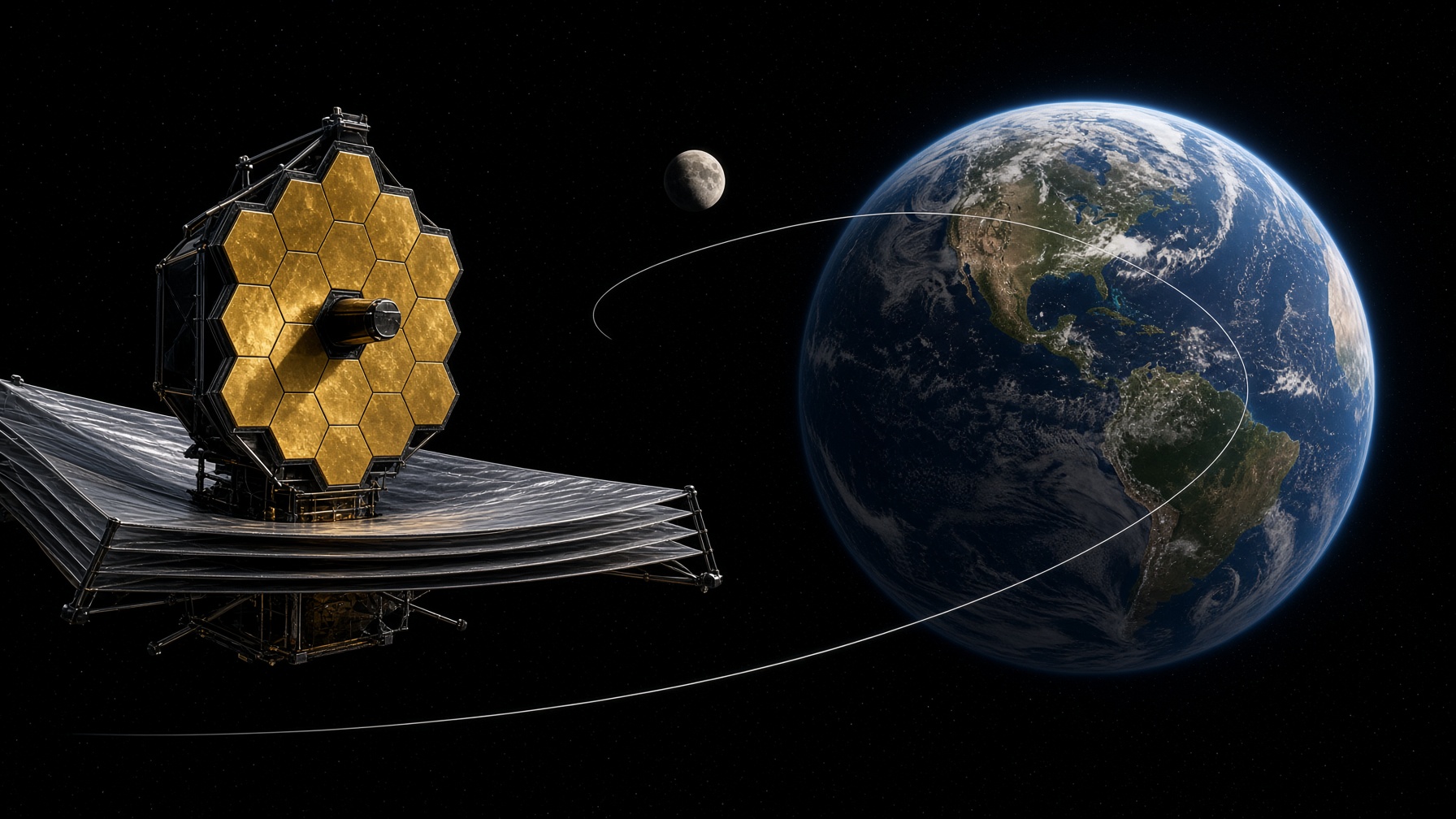
A Webb-class space telescope above Earth, with the Moon and a free-return trajectory

Unmanned

No crew. The vehicle still has to decide.

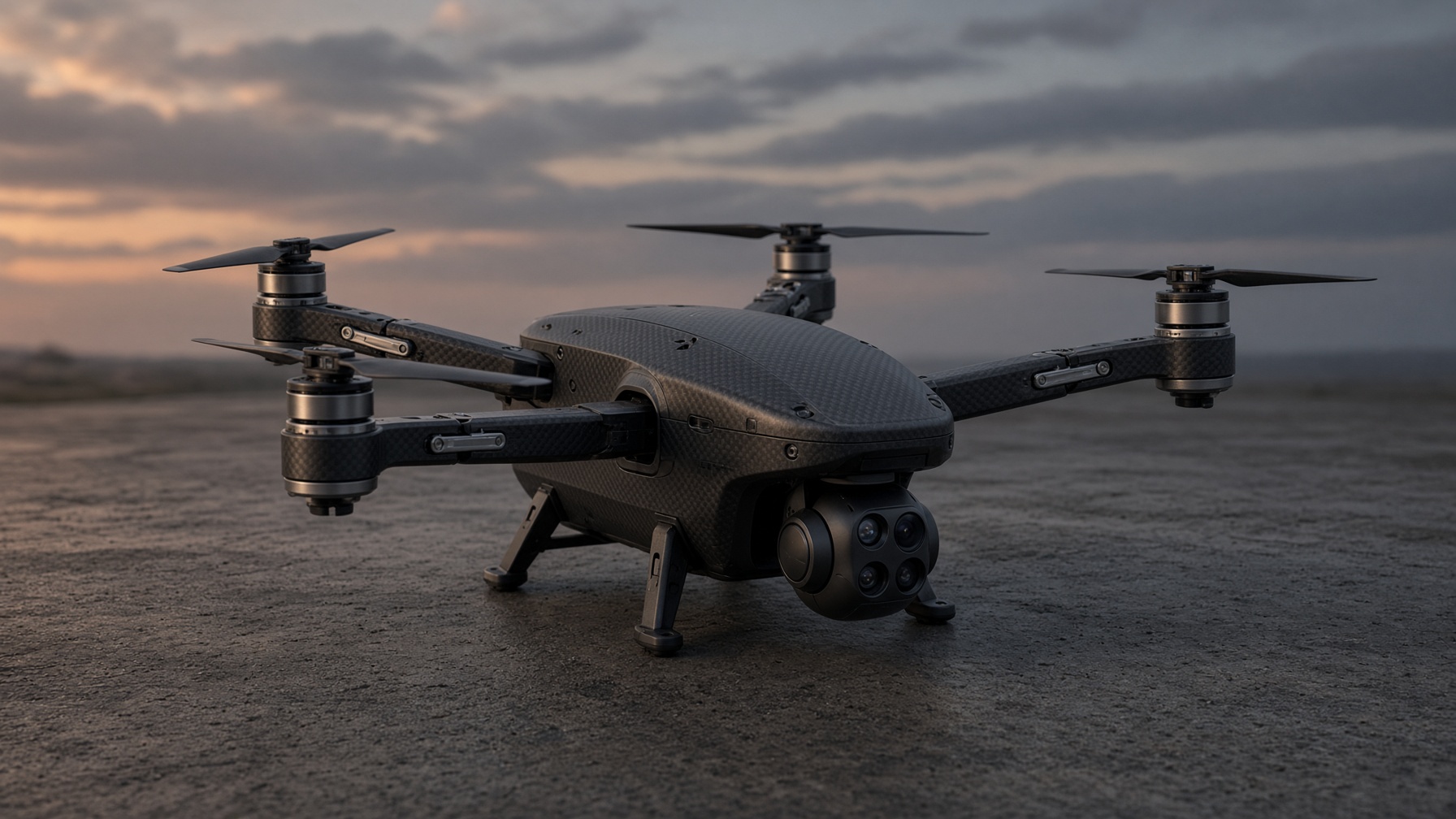
These are smaller vehicles. Electric VTOL, often something two people can lift, sometimes one. A sensor on the chin, a flight controller in the stack, a battery that never lasts as long as anyone wants.

We treat them like aircraft, not like gadgets. The airframe, the controller, and whatever picture the operator has of the vehicle have to agree. If they don't, you find out in a field, not in a lab.

Most of this work is flown outside, in weather, by people who are not us. That's what we design for.

A small high-tech VTOL drone on a concrete pad

If you have a program, write.

Send what you already have. We'll tell you if it's work we should take.

Contact